Essential HVAC Troubleshooting Tips for Desert Dwellers Jun 25, 2026
Understanding your system is the first step. HVAC systems in desert regions are often pushed to their limits due to high heat and dry conditions. This makes regular maintenance even more crucial. Before diving into specific troubleshooting tips, always ensure your system receives professional inspections at least twice a year—preferably before the peak summer months and after the intense heat recedes.
When your HVAC system isn't performing optimally, start with the air filter. An air filter clogged with dust and debris not only reduces airflow but also forces your system to work harder. This can lead to higher energy bills and potential system failures. Check your filter every month during high-use periods, replacing it if it's dirty. This simple step can significantly improve your HVAC's efficiency and indoor air quality.
Next, review your thermostat settings. In desert climates, thermostats can sometimes be set incorrectly, leading to suboptimal comfort and wasted energy. Make sure your thermostat is set to the appropriate temperature for both energy savings and comfort. If your home isn't cooling adequately, double-check that the thermostat is set to 'cool' mode. Consider upgrading to a programmable thermostat, which allows for automatic adjustments and offers long-term savings and convenience.
Inspect your vents and registers. Blocked or closed vents can disrupt airflow and affect system efficiency. Ensure that all vents are open and unobstructed by furniture, curtains, or other objects. This keeps the air circulating properly, maintaining even temperatures throughout your home. If you notice certain rooms are consistently warmer or cooler than others, you may need to adjust the airflow or consult a professional to balance the system.
Another vital component to examine is your home’s insulation. Poor insulation can significantly affect your HVAC’s performance by allowing cold air to escape and hot outdoor air to intrude. Properly sealed doors and windows, as well as adequate insulation in the attic and walls, help keep the conditioned air inside, reducing strain on your system.
Additionally, check the outdoor unit. Especially in harsh desert environments, debris like leaves, dirt, and sand can clog the condenser coils, impeding heat exchange. Regularly clean the area around the unit, and gently remove any buildup from the coils using a soft brush or garden hose. Always switch the power off before performing any maintenance on HVAC equipment.
Finally, listen to your system. Unusual noises such as rattling, buzzing, or hissing often indicate a problem requiring professional attention. These sounds can be early warnings of issues with components like the compressor or ductwork and should not be ignored.
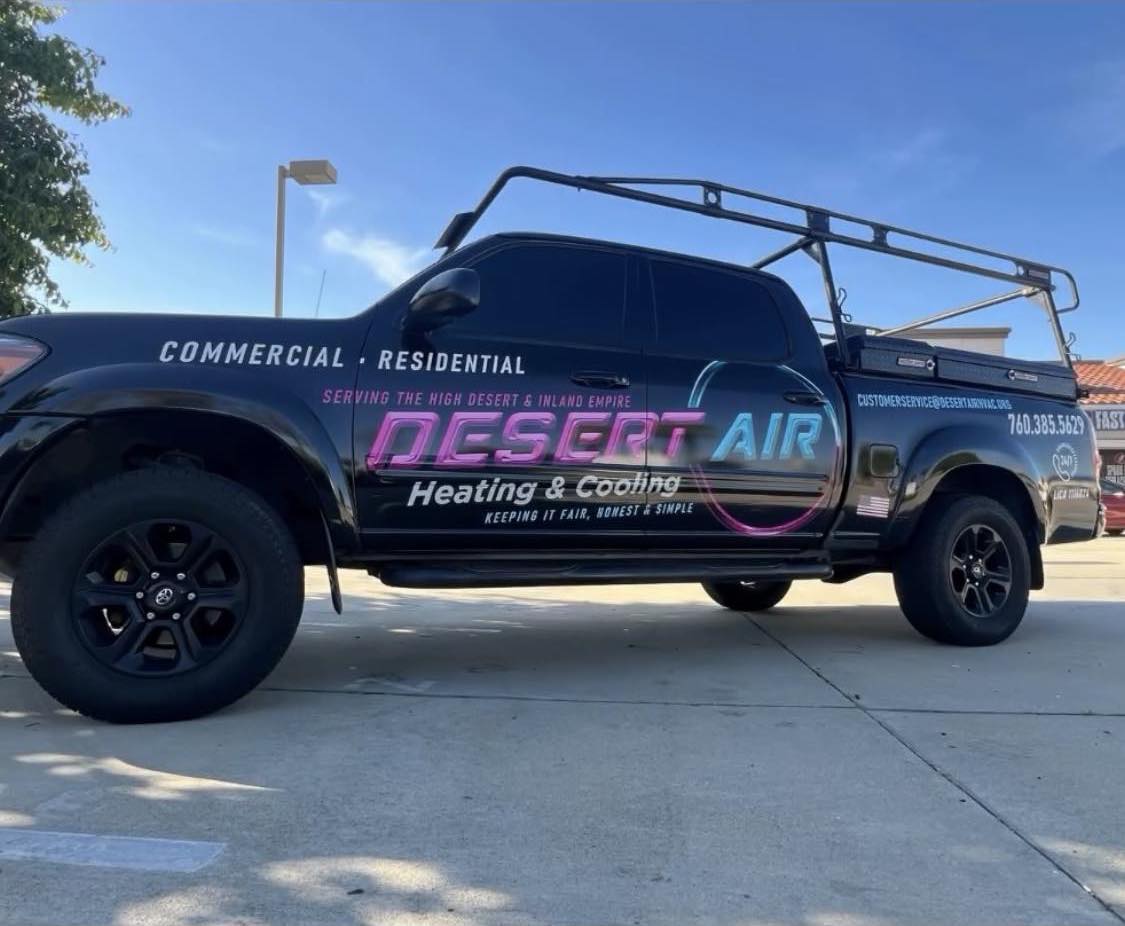
By following these troubleshooting steps, desert dwellers can ensure their HVAC systems operate effectively and efficiently, even in extreme conditions. When in doubt or facing persistent issues, trust the professionals at Desert Air Heating & Cooling to resolve any problems. Regular maintenance and timely intervention not only enhance the lifespan of your HVAC system but also provide the reliable comfort needed in a desert environment. Stay cool, save energy, and enjoy peace of mind knowing help is just a call away.