Adapting Your HVAC System for Season Changes in Desert Climates Jul 13, 2026
First, it’s essential to grasp why seasonal adaptation for your HVAC system is crucial in desert climates. The constant high temperatures during the summer can push any HVAC system to its limits, leading to increased wear and potentially higher energy bills. Conversely, as temperatures drop during cooler months, your heating system needs to be in top condition to efficiently warm your home.
Start with a comprehensive inspection and maintenance routine. Begin by scheduling regular inspections with a professional HVAC technician. This proactive approach helps identify potential problems before they become significant issues. Regular tune-ups can increase the efficiency of your system, prolong its lifespan, and help you save on unexpected costly repairs.
Changing air filters is a simple yet effective practice to adapt your HVAC system for seasonal changes. In desert climates, dust and sand often accumulate rapidly. A clogged air filter forces your system to work harder, reducing efficiency and potentially leading to system failure. Replacing or cleaning air filters every one to three months ensures your system runs smoothly and aids in maintaining optimal indoor air quality.
Consider upgrading your thermostat to a programmable or smart thermostat. This allows more precise control over your home’s temperature, adapting to your schedule and reducing energy consumption. In deserts, temperature fluctuations can be extreme, so a smart thermostat helps keep your home comfortable while you save on energy costs by only heating or cooling when necessary.
Sealing your home is another critical step. Ensure your home is well-insulated and that windows and doors are sealed properly. This prevents heated or cooled air from escaping, maintaining a consistent indoor temperature and reducing the workload on your HVAC system. In desert climates with harsh winds and sandstorms, ensuring these seals are tight can protect your home and system from outside elements.
For those using evaporative coolers, or swamp coolers, common in desert climates, seasonal preparation includes draining and cleaning the unit before and after the cooling season. This practice prevents mineral buildup and ensures the unit is in good working order for the next season.
Finally, consider energy-efficient upgrades for your HVAC system. Modern systems are designed with energy efficiency in mind, which can significantly reduce your utility bills over time. If your system is over 10-15 years old, investing in a newer model could be more cost-effective in the long run and better suited to handle temperature extremes characteristic of desert climates.
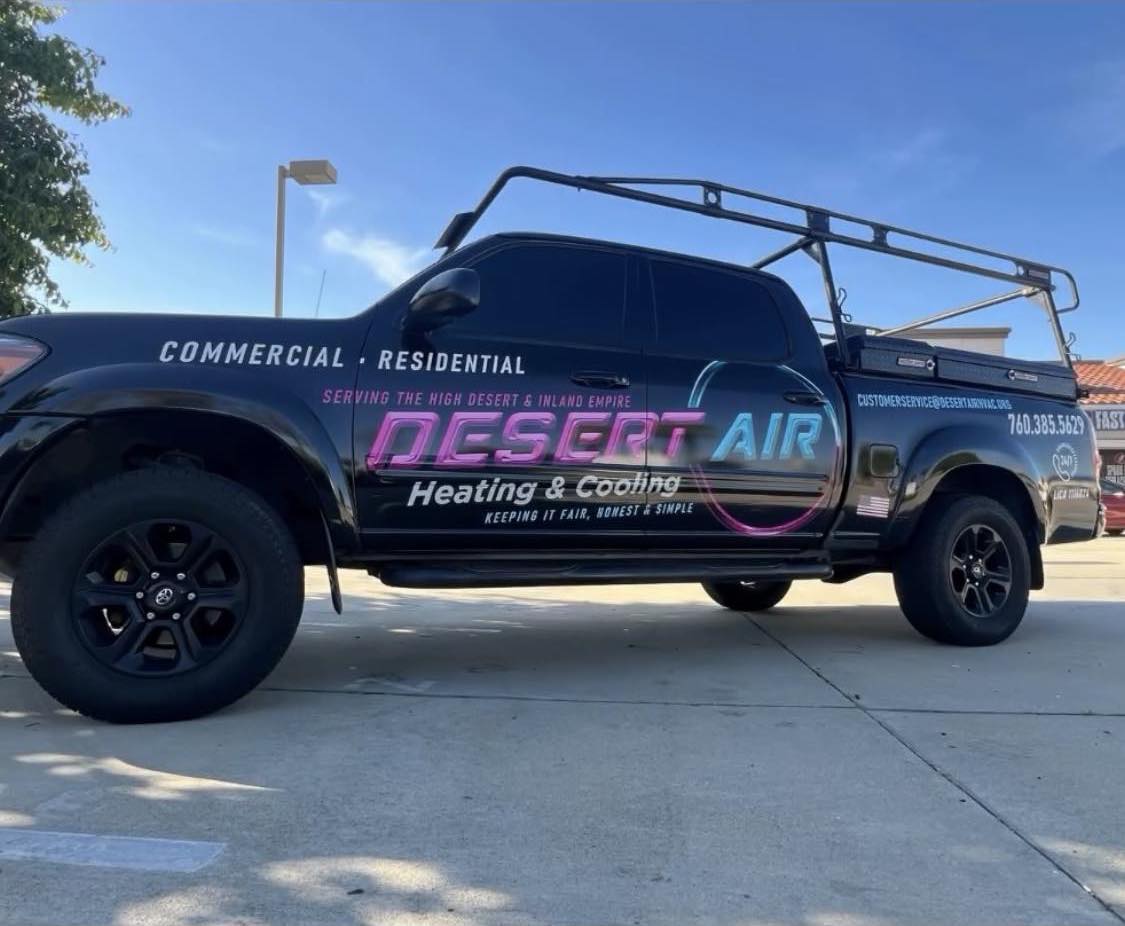
In conclusion, preparing your HVAC system for seasonal changes isn’t just about maintaining comfort—it’s about efficiency, cost savings, and system longevity. Desert Air Heating & Cooling is here to help you navigate these transitions effortlessly. Through regular maintenance, strategic upgrades, and proactive planning, you can ensure your system runs smoothly year-round, regardless of the desert weather conditions. With the right preparation, adapting your HVAC system for seasonal changes in desert climates can be a seamless, stress-free experience.